

Photography MA
Enhance your professional skills, embrace experimentation and explore fresh perspectives on contemporary practice with Norwich’s Photography MA.
-
Course Duration
Full-time 1 year, part-time 2 years
-
Annual Fees
- Home (full-time) £10,400 or (part-time, over 2 years) £6,500 per year
- Overseas (full-time) £18,860
-
Course Start
September 2026
- How to Apply Request a prospectus (opens in a new window)
Through our MA Photography course, you’ll have the opportunity to develop your career as a creative practitioner within a supportive, inclusive and established learning environment.
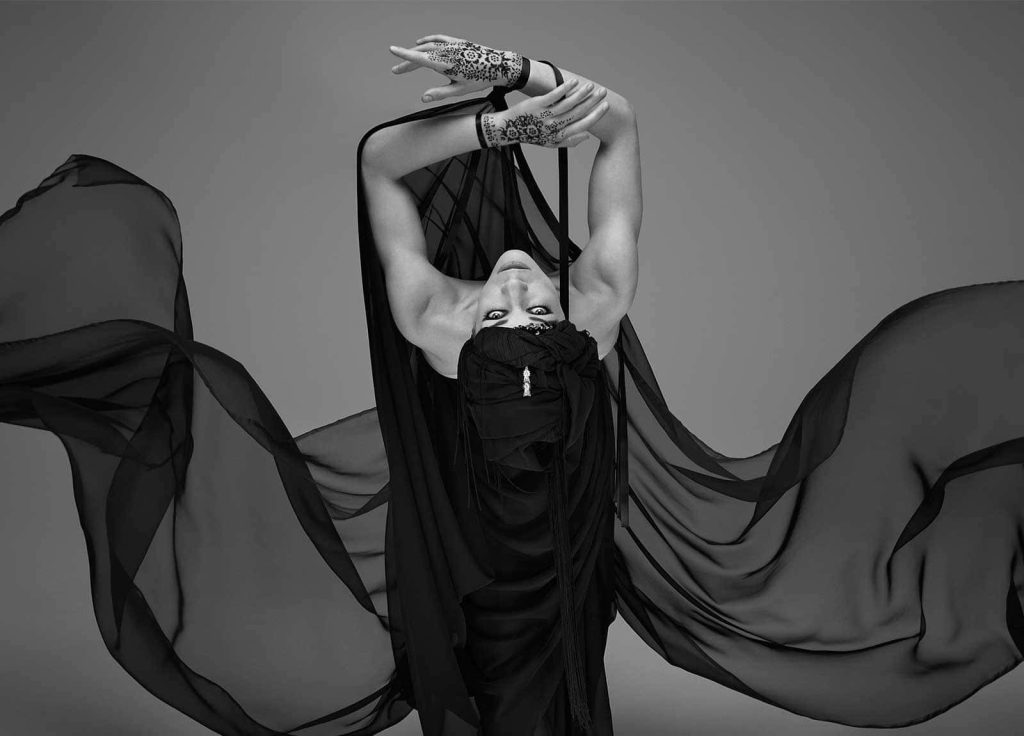
As an emerging practitioner, you’ll explore your role in society across diverse media, from still and moving image to CGI and AI. You’ll explore fresh perspectives on photographic practice and engage with contemporary debates and ideas, shaped by rigorous research.
Taking an open and experimental approach, you’ll be encouraged to embrace curiosity, risk-taking and uncertainty as spaces for creativity.
Cross-disciplinary collaboration is integral to the programme, and you’ll benefit from opportunities to collaborate with students from other creative MA courses. This approach will support you to expand your practice and master the technical and professional skills most relevant to your artistic ambitions, including exhibition, presentation, sustainability, ethics and audience engagement.
Your projects will be self-directed and supported through lectures, seminars, tutorials, critiques, workshops, symposia and study visits.
Teaching staff and visiting practitioners will guide your professional development and career awareness. Meanwhile, our strong links with industry – as well as local, regional and national galleries, museums and festivals – will provide valuable opportunities to connect with the wider field and contribute to debates shaping contemporary photography.
Why study with us
-
Advanced technical skills
Investigate a range of ideas, issues, processes and materials relevant to your work, creative aspirations and role in society.
-
Interdisciplinary approach
Benefit from collaboration with other postgraduate courses, enabling you to expand your practice and master new technical and professional skills.
-
Professional-level resources
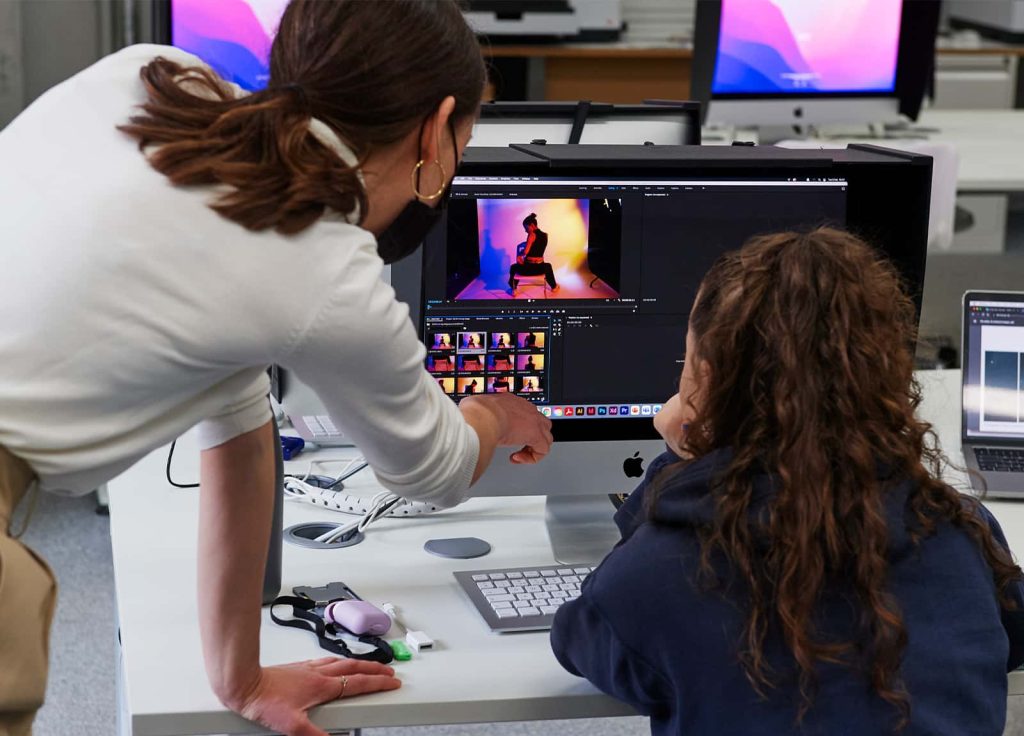
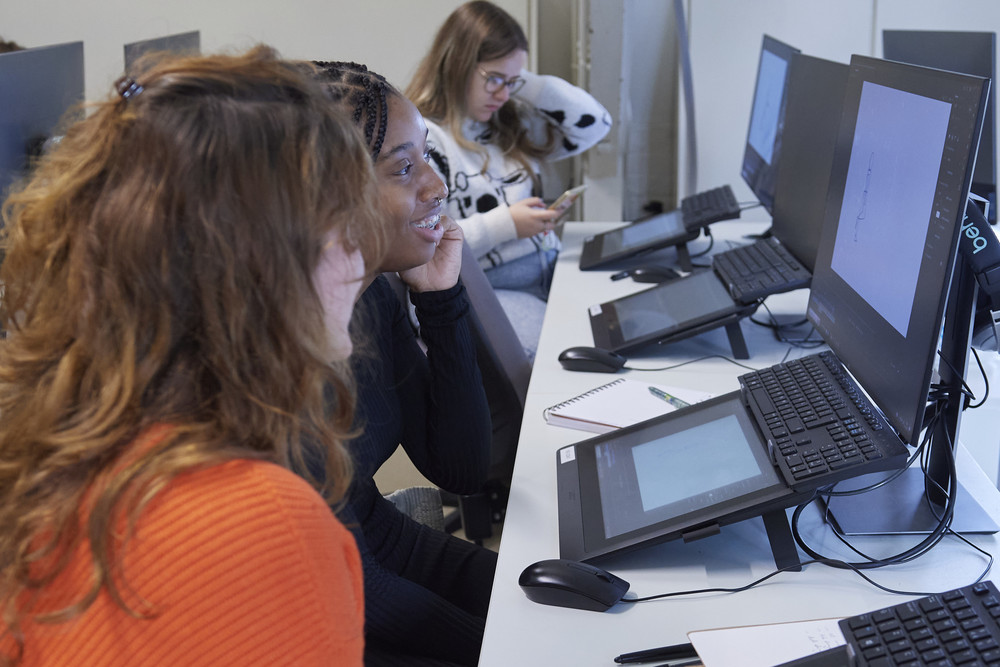
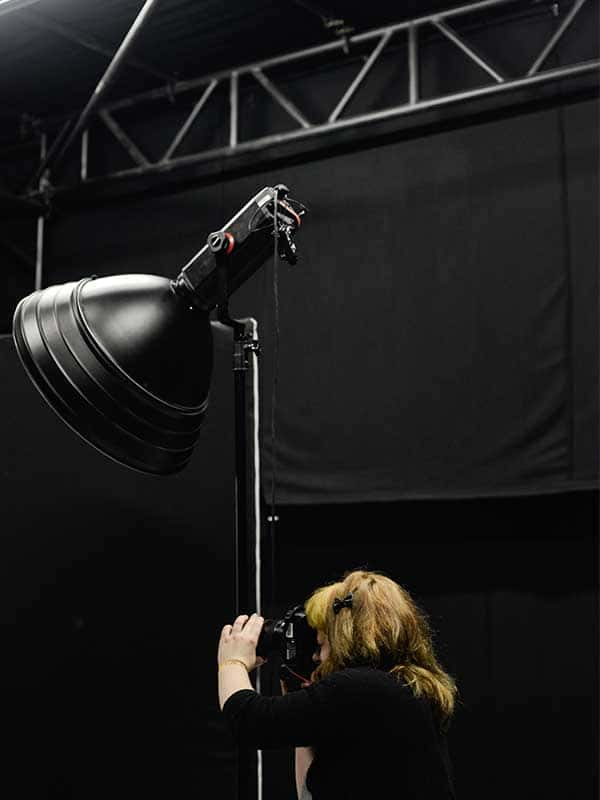
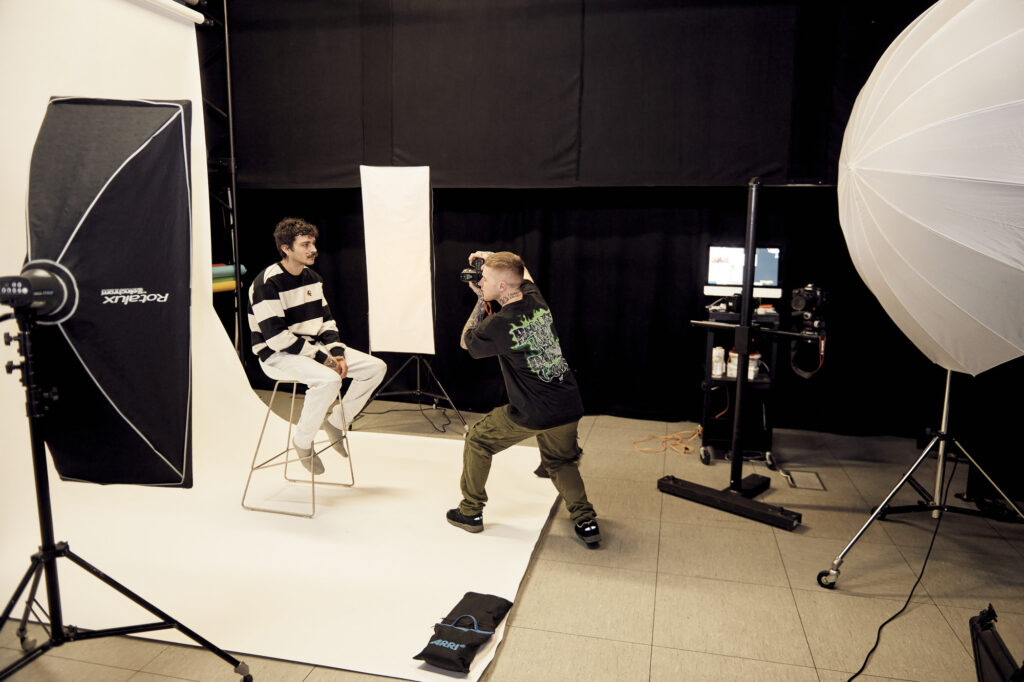
Enhance your production and post-production skills on location and in our studios and digital darkroom. Make use of industry-level cameras, lighting equipment and large format inkjet printers to push your creative practice further.
-
Ethical and inclusive research
Adopt an ethical approach to your work and respond to urgent global themes including sustainability, inclusivity and representation.
-
Professional portfolio development
Create a professional body of work that reflects your artistic ambitions and prepares you to share your practice with professional and public audiences.
-
Innovative problem-solving
Engage with contemporary debates, fresh perspectives and new ideas surrounding photographic practice, shaped by rigorous research.
Course Details
This programme is a one-year course, including 30 weeks of direct teaching time and a 15-week final project. You will need to complete three units and one 60-credit major project (180 credits in total). All units on the course are compulsory and must be passed in order to complete the award. If you study part-time, your modules will be split across two years. For full course details including aims and assessment criteria, download the course specification.
Core Practice and Context (60 Credits)
This unit launches your Master’s study at Norwich, supporting the development of your photographic practice through research-led experimentation, critical iteration, and professional presentation.
You will be encouraged to broaden the breadth and depth of your practice and research by asking you to investigate a range of ideas, issues, processes and materials relevant to your work, creative aspirations and role in society.
You will be encouraged to be curious, embracing risk-taking, uncertainty and not knowing as spaces of creativity. You will develop a deeply reflective practice and understanding of your positioning in relation to your projects.
Through self-initiated projects, staff-led briefs and live collaborations, you will respond to urgent global themes including sustainability, ethics, inclusivity and representation.
Alongside technical exploration, you will engage critically with contemporary and historical photographic contexts, developing an understanding of how research, theory and professional frameworks inform creative practice.
As the unit progresses, you will move from open experimentation towards more focused enquiry, refining concepts, methods and critical perspectives.
By the end of the unit, you will have produced a resolved body of work that demonstrates conceptual clarity, technical confidence and a distinctive authorial voice, establishing a rigorous foundation for independent postgraduate study and future professional or research pathways.
Collaborative Challenge (30 credits)
This unit introduces collaborative, cross-disciplinary ways of working, encouraging you to engage with emerging issues in photography such as sustainability, inclusivity and technological innovation.
Working in supportive environments, you will develop the ability to experiment with analogue, digital, and hybrid media, extending your practice beyond familiar approaches and opening up new creative possibilities.
Projects may involve real-world scenarios linked to the UN Sustainable Development Goals or live briefs set by external partners, giving you opportunities to apply your skills in professional contexts and engage with challenges of direct cultural and social relevance.
The unit emphasises teamwork, adaptability and critical thinking, helping you to balance personal creativity with collective outcomes while strengthening your collaborative and professional skills.
The unit culminates in a group outcome and an individual reflective submission, enabling you to consolidate technical knowledge, deepen your independent practice and extend your work in response to the evolving landscape of contemporary photography.
Project Design and Development (30 credits)
This unit supports you in designing and structuring a significant creative or research project, preparing you for your final major project as well as potential doctoral or industry-based research.
You will be introduced to a wide range of research methods from the arts, humanities and social sciences, developing the ability to adapt them to your photographic interests and chosen specialism.
Through tutorials and independent study, you will learn to plan and manage a project effectively, addressing ethical, cultural and professional considerations while refining your technical abilities across analogue, digital and experimental processes such as moving image and AI-assisted imaging.
By the end of the unit, you will produce a contextual review, a detailed project plan and an ethics review. These outcomes will form a robust framework for your final major project, while also helping you to establish a distinctive photographic voice and an approach to research suited to contemporary professional and creative contexts.
Major Project (60 Credits)
The major project is the culmination of your Master’s study, enabling you to design, develop and realise a substantial body of photographic work that demonstrates your technical ability, creativity and critical perspectives.
You will be encouraged to explore themes that challenge conventions, extend the role of photography, and engage critically with its cultural, social and professional impact, including global challenges related to social and environmental sustainability.
Working with increasing independence, and supported through tutorials, talks, and workshops, you will refine your ideas, select and apply appropriate research methods and determine the most effective format for your outcomes — such as an exhibition, publication, moving image work, or other professional presentation.
The major project provides a platform for you to consolidate the skills and knowledge developed throughout the course, while preparing to share your work with professional and public audiences.
By situating your practice within both local and global contexts, you will graduate ready for opportunities in the creative industries, galleries, publishing or further research.
Learning and teaching
Our Photography MA course is delivered through a variety of engaging learning and teaching methods.
-
Lectures
-
Seminars
-
Tutorials
-
Critiques
-
Workshops
-
Symposia
-
Study visits
Assessment
Our assessment methods will vary based on the unit you choose and provide a comprehensive measure of your learning and progress. These methods may include:
- Critically reflective essay
- Course work
- Presentations
- Learning journal
- Reflective evaluation
- Body of creative work
- Reflective research report
- Team project evaluation
- Major project
- Supporting documentation
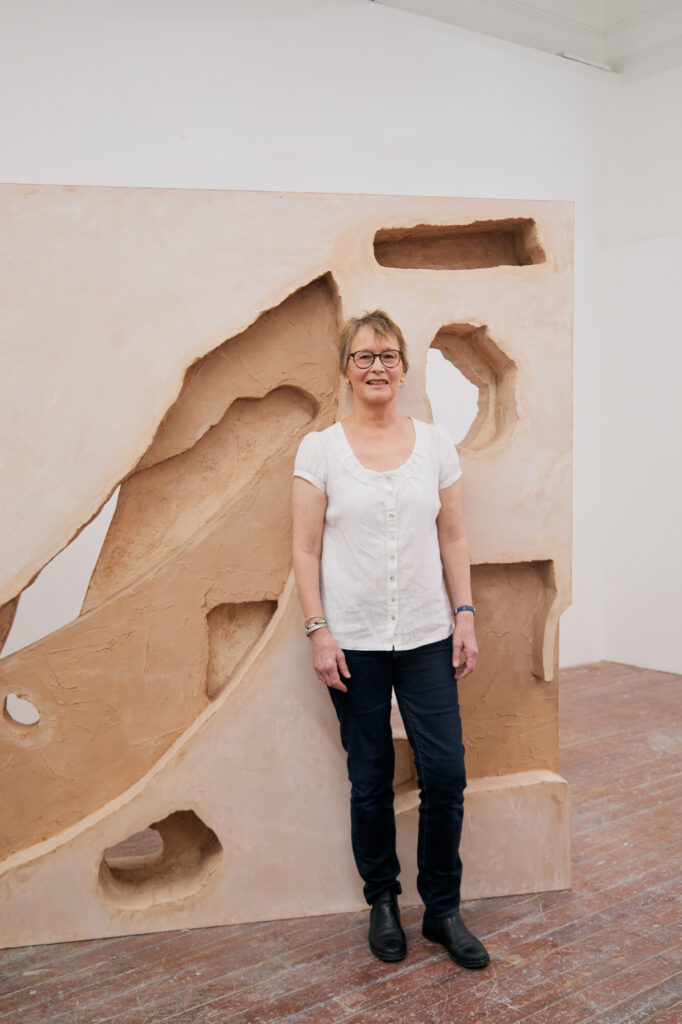
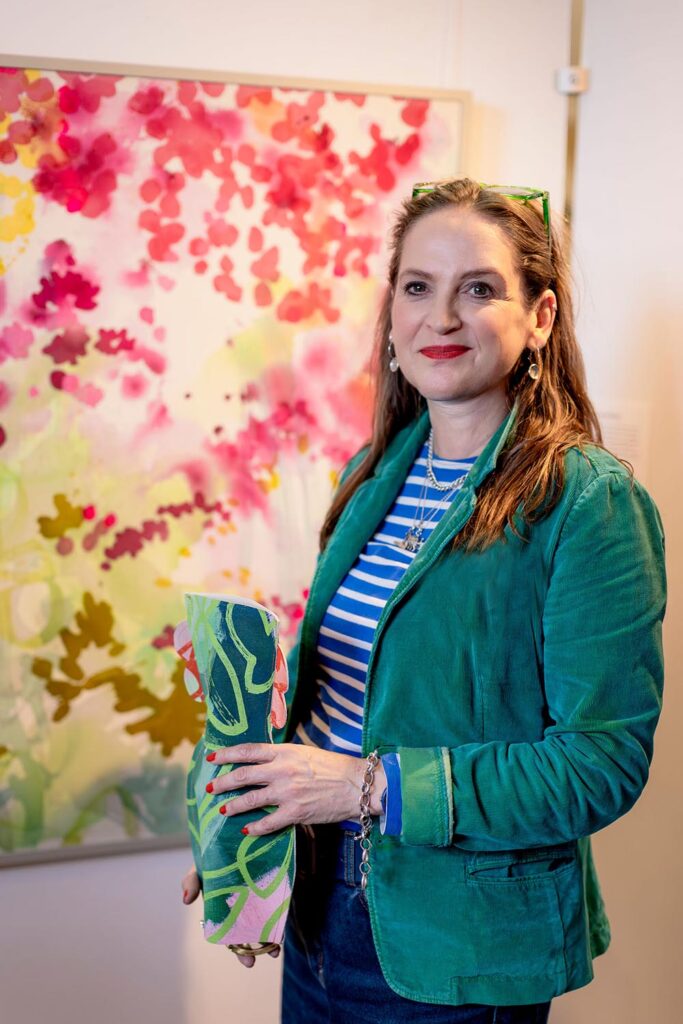
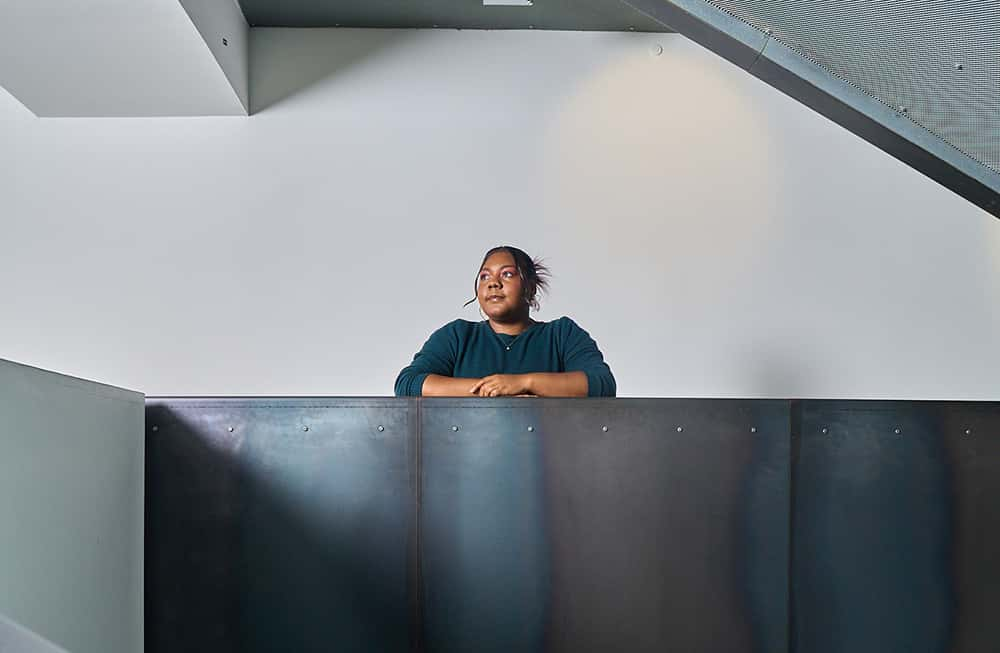
Some of the people you’ll be working with
Our Facilities
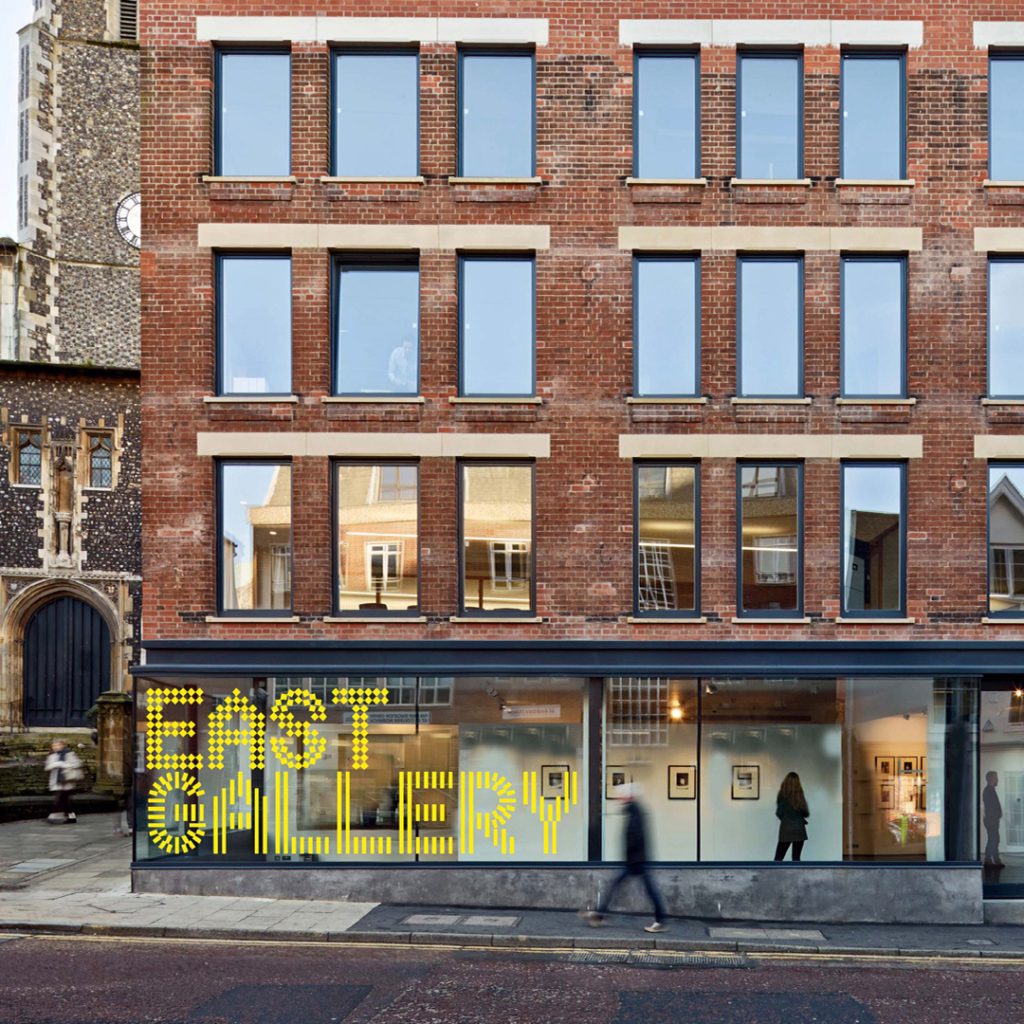
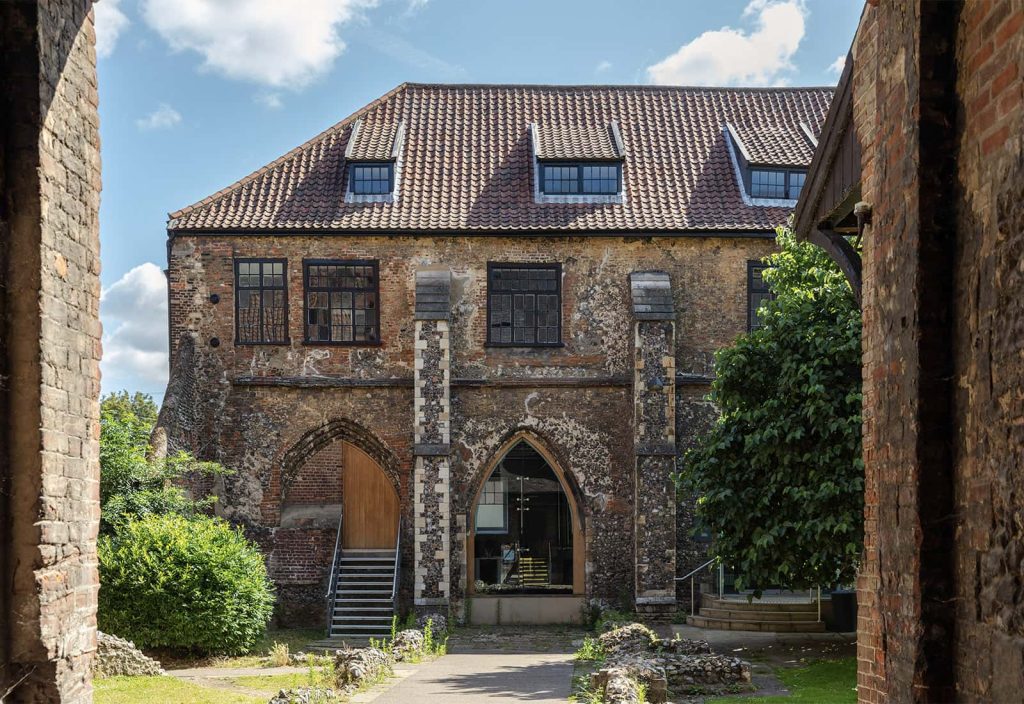
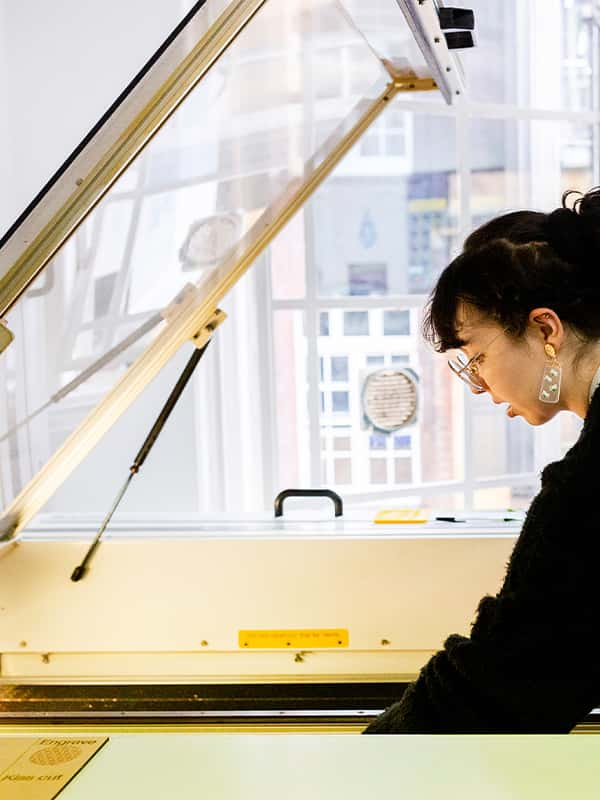
Look around our city-centre campus, and you will find studios, media labs, and creative spaces in 13 buildings that sit among the cafés, bars, independent galleries and shops of Norwich’s cultural quarter.
Typical career paths
Our students and graduates have been selected for countless prominent exhibitions and prizes. These include The Photographers’ Gallery, London; Association of Photographers; D&AD; Eizo; Canon Cameras; the British Journal of Photography; the Lens Culture Portrait Awards; PhotoNorth and Portrait of Britain.
Graduates have gone on to successfully complete PhDs, as well as work in a broad range of careers including:
- Freelance photographer
- Art director
- Picture librarian
- Technician
- Image producer
- Picture editor
- Visual arts
- Teaching/lecturing
- Research/PhD
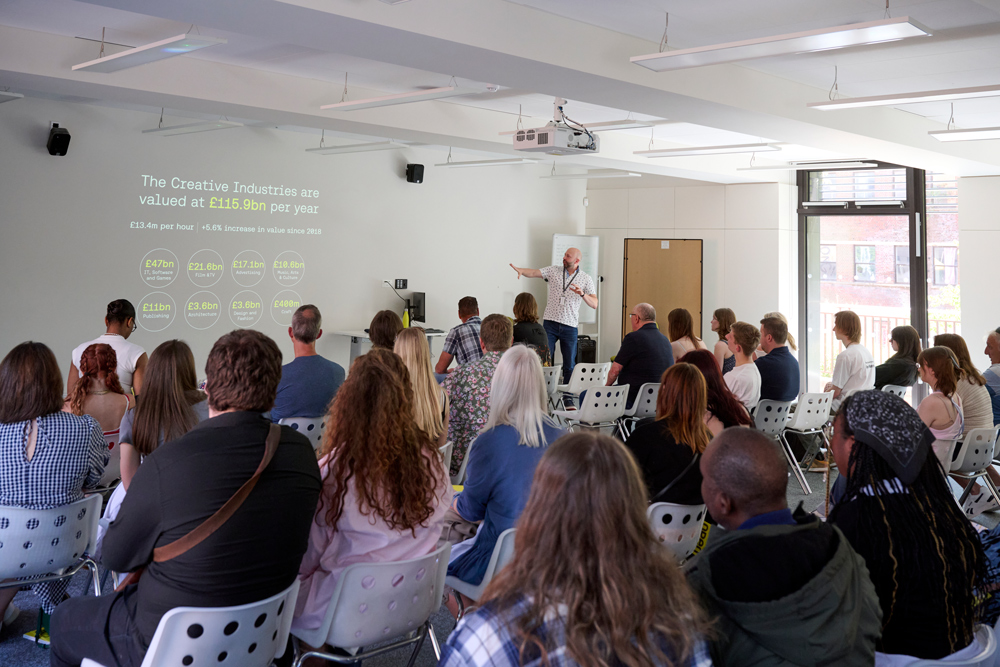
The UK’s creative sector is thriving, contributing £111.7 billion annually to the economy and offering over 2 million jobs.
Department for Digital Culture Media and Sport (DCMS)
Entry Requirements
Entrants should normally have achieved a BA (Hons) / BSc Degree of 2:1 or above (or its equivalent), in a subject related to your proposed course of study.
Applicants who hold a Degree from another discipline may also be considered for entry, subject to the submission of a satisfactory portfolio of art, design or media-related work in support of their application.
Those with industry experience or relevant skills from non-traditional backgrounds are encouraged to apply, including individuals currently employed. If you’re unsure about your eligibility, please contact us for guidance before applying.
English language requirements (International/EU)
If English is not your first language, IELTS 6.5 (or equivalent) is required, with a minimum of 5.5 in reading, writing, listening, and speaking. we also accept other English language qualifications.
International Qualifications
We accept a wide range of qualifications from all over the world.
For information on entry requirements from your country, see our international pages.
Fees and funding
Home
Tuition fees for the 2026/27 academic year
- Full time: £10,400
- Part time: £6,500 per year
The level of fee that you will be asked to pay depends on whether you’re classed as a UK
(home) or international student. Check your fee status.
Fees for subsequent years
The rules for inflation on fees in subsequent years depend on the type of fee status and level
For Home and overseas postgraduate degree students starting in 2025, fees will remain the same for each year of your course.
Funding your study
Depending on your circumstances, you may qualify for a bursary, scholarship or loan to help fund your study and enhance your learning experience. Find out more about scholarships and funding.
International
Tuition fees for the 2026/27 academic year
- Full time: £18,860
The level of fee that you will be asked to pay depends on whether you’re classed as a UK
(home) or international student. Check your fee status.
Fees for subsequent years
The rules for inflation on fees in subsequent years depend on the type of fee status and level
For home and overseas postgraduate degree students starting in 2026, fees will remain the same for each year of your course.
Funding your study
We offer a range of scholarships and bursaries for international students. To find out more and see if you’re eligible, please visit the scholarships for international students page.
Additional costs
Your course fees cover the cost of studies, and include loads of benefits, such as the use of our library, support from our expert employability team, access to workshops and free use of the IT equipment across our campuses. There are also other costs which you may need to consider.
How to apply
Home
Applications to our postgraduate courses should be made directly to Norwich University of the Arts using a Postgraduate Application Form.
Applications should be returned to admissions@norwichuni.ac.uk
Please see our Terms and Conditions and Admissions Policies for further details.
International
Postgraduate applicants can only apply directly by completing the below online application form or emailing the downloadable form to ioadmissions@norwichuni.ac.uk
International students requiring a visa should apply as soon as possible in the year they wish to start. Email our International Team for more information. Please see our Terms and Conditions and Admissions Policies for further details
Related courses
Discover our courses and take the first step towards unleashing your potential
-
Visit the Film MA course page
- Filter courses by study level: Postgraduate
- Filter courses by duration: Full time
- Filter courses by duration: Part time
- Filter courses by start month: September
- Filter courses by subject: Film
Film MA
Take your film practice to new heights, refine your technical skills, and explore the cultural and historical context of your work.